Short answer: AI assistants recommend businesses whose information is consistent, structured and corroborated across the web — clear service descriptions, strong reviews, local citations and machine-readable schema. They cannot recommend what they cannot clearly understand.
Where the answer comes from
When someone asks ChatGPT for “a good marketing agency near me” or “the best Ayurveda resort in Kovalam”, the model draws on its training data plus live web search. It looks for entities it can describe confidently: who you are, what you do, where you operate, and what others say about you. Ambiguity is disqualifying — if your website says one thing and your directory listings another, the model moves to a competitor it can describe cleanly.
The signals that matter most
Four signals matter most:
- The same name, address and phone number on your website, Google Business Profile and directories.
- A real volume of reviews, with your responses.
- Service pages that state plainly what you offer and for whom.
- Structured data (Organization, LocalBusiness, Service and FAQ schema) that turns your pages into facts a machine can quote.
Third-party mentions, such as press, associations and client sites, confirm that you are real and reputable.
What to do this month
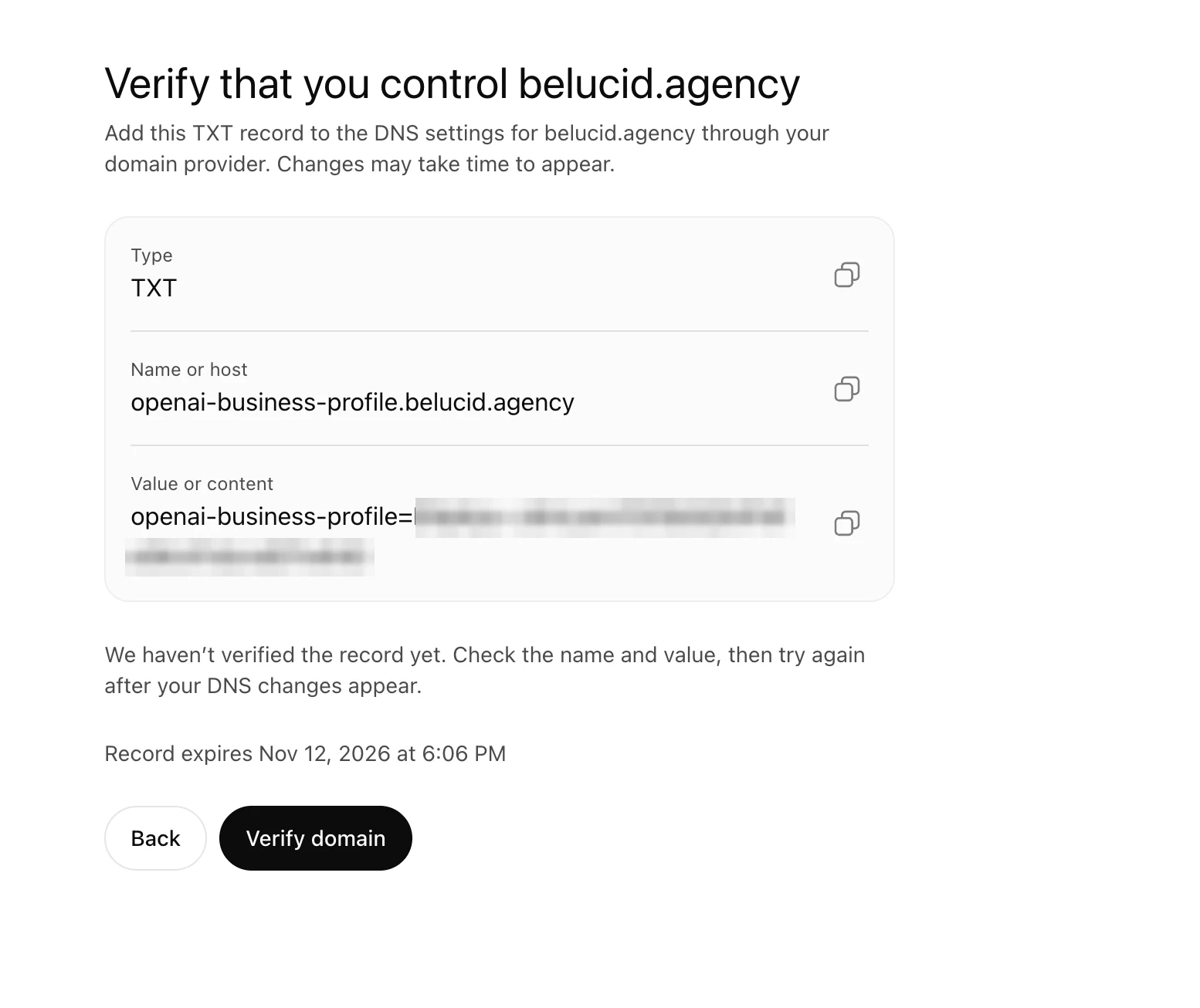
Audit your business information for consistency everywhere it appears. Add schema to your website. Ask five happy customers for detailed Google reviews. Then ask ChatGPT about your own category and city — and see whether you exist in its answer. You can also claim your business inside ChatGPT itself: How to add your business to ChatGPT walks through Business Hub step by step.
Want to know if AI can find your business?